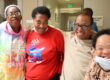
Community Inclusion and Belonging
How Adults with Intellectual and Developmental Disabilities Thrive in Community Life
Community inclusion is more than a program goal it’s a human right and a cornerstone of a meaningful life. Adults with intellectual and developmental disabilities (IDD) contribute to our neighborhoods, workplaces, and social spaces every day. When communities remove barriers and create opportunities for connection, people with IDD experience greater belonging, independence, and joy.
Everyday Participation, Real Impact
Across the country, research shows that adults with IDD thrive when they have access to inclusive community activities whether that’s joining a fitness class, volunteering, working at a local business, or participating in cultural and faith‑based events. These experiences build confidence, strengthen relationships, and help individuals shape their own identities as valued community members.
Community inclusion also benefits everyone. When people with and without disabilities share spaces, friendships grow, stereotypes fade, and communities become more compassionate and connected.


Strategies That Support Belonging
National inclusion initiatives and community‑living research highlight several practices that help individuals with IDD participate fully in community life:
• Person‑centered planning: Ensuring each individual’s interests, strengths, and goals guide their community involvement.
• Natural supports: Encouraging friendships, peer networks, and community mentors not just paid staff to support participation.
• Accessible environments: Removing physical, communication, and attitudinal barriers so everyone can engage comfortably.
• Opportunities for leadership: Creating roles where individuals with IDD can contribute their talents such as volunteering, advocacy, or creative arts.
These strategies reflect a growing national movement toward inclusion, autonomy, and community‑based living.
Stories That Inspire
Across Clausen House and beyond, adults with IDD are shaping community life in powerful ways through employment, volunteerism, artistic expression, and meaningful relationships. Their contributions remind us that belonging is not something we “give” to people; it’s something we build together.